 Luting & Lining Cement
 ROOT CANAL SEALER
 Alginate powder Dental Impression Materials,
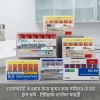 GUTTA PERCHA POINTS
 CALCIUM HYDROXIDE idoform PASTE And Powder
 BLOOD GLUCOSE MEDTER
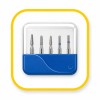 DIAMOND BURS all
 Gypsum Plaster
 Breast Pump
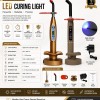
 Light Curing LED Machine
 Examination Gloves – NR Latex Powdered
 Spray (Lidocaine Topical Aerosol USP 15%
 Adhesive Cream and Powder
 Surgical
 EUGINAL LQ /ZINC OXIDE
 Pharmaceuticals
 Silver Alloy/Copper Amalgam
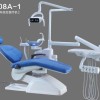 DENTAL UNIT
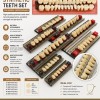 Teeth
Teeth
 SURGICAL BLADES STERILE
 ECG Thermal Paper Roll
 Autoclave /Uv Chamber/Glass Bead/ Sterilizer
 Etching Gel

Dental Elevators are essential surgical hand instruments used to luxate (loosen) teeth, expand the alveolar bone socket, and remove broken root fragments prior to applying forceps or when forceps cannot gain a grip.
Primary Function: Severs the periodontal ligament fibers and lifts the tooth or root tip using mechanical principles (lever, wedge, or wheel-and-axle).
Core Components: A heavy handle for grip, a strong shank, and a working tip (blade) designed to wedge between the tooth root and the socket wall.
Common Types of Dental Elevators
Straight Elevator (Bein / Apexo): Features a straight blade; used for initial luxation of anterior and posterior teeth across all quadrants.
Cryer Elevators (Pairs: Left & Right): Features sharp, triangular-shaped side-cutting blades; ideal for removing multi-rooted lower molars after one root has already been extracted.
Coupland Elevators: Straight, chisel-like blades with concave inner surfaces; used to wedge and expand the bone socket around stout roots.
Warwick James Elevators: Small, delicate set (Straight, Left, Right) with flat handles; designed for precise root tip removal and third molar extractions.
Apexo / Root Tip Elevators (Heidbrink / Root Tip Picks): Fine, pointed tips designed specifically to tease out small broken root fragments deep inside the socket.
Luxators: Feature thin, sharp, flat blades meant for cutting the periodontal ligament directly rather than applying heavy lever force.