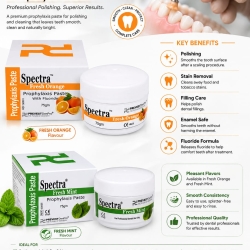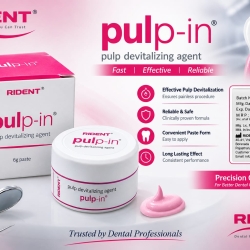
 Luting & Lining Cement
 ROOT CANAL SEALER
 Alginate powder Dental Impression Materials,
 GUTTA PERCHA POINTS
 CALCIUM HYDROXIDE idoform PASTE And Powder
 BLOOD GLUCOSE MEDTER
 DIAMOND BURS all
 Gypsum Plaster
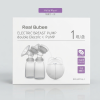 Breast Pump
 Light Curing LED Machine
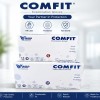 Examination Gloves – NR Latex Powdered
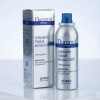 Spray (Lidocaine Topical Aerosol USP 15%
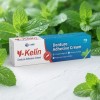 Adhesive Cream and Powder
 Surgical
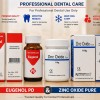 EUGINAL LQ /ZINC OXIDE
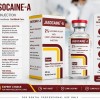 Pharmaceuticals
 Silver Alloy/Copper Amalgam
 DENTAL UNIT
 Teeth
Teeth
 SURGICAL BLADES STERILE
 ECG Thermal Paper Roll
 Autoclave /Uv Chamber/Glass Bead/ Sterilizer
 Etching Gel

Maxcide Solution (commonly formulated with $2.0\%$ to $3.4\%$ buffered alkaline glutaraldehyde) is a cold liquid sterilant and high-level disinfectant used in dental and medical settings. It is designed primarily for heat-sensitive instruments that cannot undergo high-temperature steam autoclaving.
Key Uses & Immersion Requirements
High-Level Disinfection: Kills vegetative bacteria, fungi, viruses, and mycobacteria (tuberculocidal) when instruments are fully submerged for 20 to 90 minutes at room temperature ($20^\circ\text{C} - 25^\circ\text{C}$).
Chemical Sterilization: Eliminates all microbial life, including resistant bacterial spores, when instruments are fully submerged for a minimum of 10 continuous hours.
Preparation & Usage Protocol
Activation: Maxcide often comes in a two-part system. The activator vial/powder must be mixed into the main solution to shift the pH into an alkaline range (approx. $7.5 - 8.5$), which activates its sporicidal properties.
Reuse Life: Once activated, the solution remains effective in a closed container for 14 to 28 days (depending on the specific formula).
Pre-Cleaning: Instruments must be thoroughly scrubbed, rinsed, and dried before immersion. Excess water on wet instruments will dilute the glutaraldehyde concentration below effective levels ($<2\%$).
Post-Soak Rinsing: Instruments must be thoroughly rinsed with sterile water before patient use to flush away toxic chemical residue.
Safety Precautions & PPE
Ventilation: Use only in well-ventilated spaces or dedicated chemical immersion tubs with tight-fitting lids to minimize inhalation of harmful glutaraldehyde vapors.
Personal Protective Equipment (PPE): Nitrile/chemical-resistant gloves, safety goggles/face shields, and protective gowns must be worn during handling to prevent skin and eye burns or contact dermatitis.