 Luting & Lining Cement
 ROOT CANAL SEALER
 Alginate powder Dental Impression Materials,
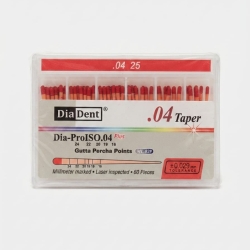
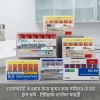 GUTTA PERCHA POINTS
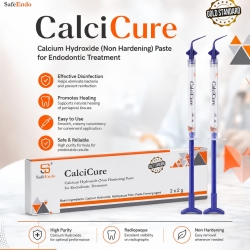
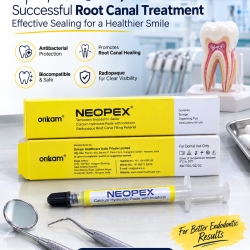
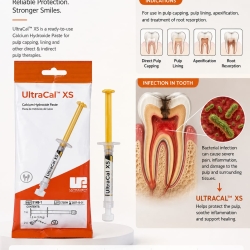
 CALCIUM HYDROXIDE idoform PASTE And Powder
 BLOOD GLUCOSE MEDTER
 DIAMOND BURS all
 Gypsum Plaster
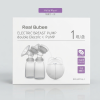 Breast Pump
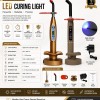
 Light Curing LED Machine
 Examination Gloves – NR Latex Powdered
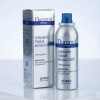 Spray (Lidocaine Topical Aerosol USP 15%
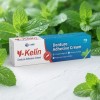 Adhesive Cream and Powder
 Surgical
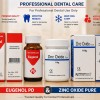 EUGINAL LQ /ZINC OXIDE
 Pharmaceuticals
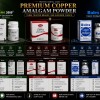 Silver Alloy/Copper Amalgam
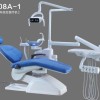 DENTAL UNIT
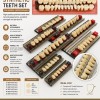 Teeth
Teeth
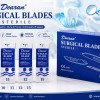 SURGICAL BLADES STERILE
 ECG Thermal Paper Roll
 Autoclave /Uv Chamber/Glass Bead/ Sterilizer
 Etching Gel
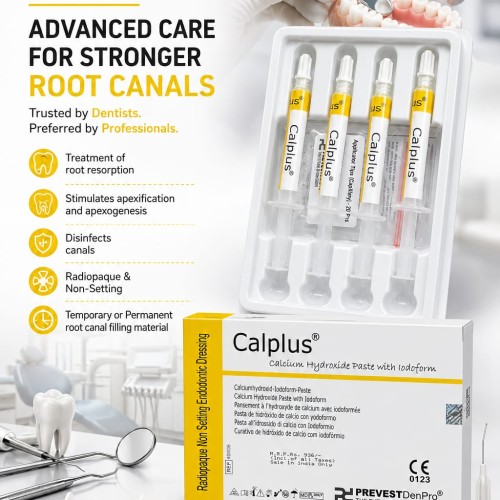
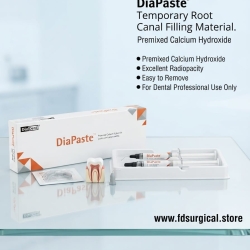
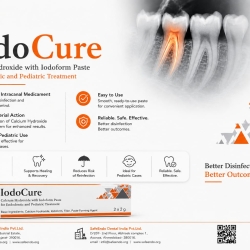
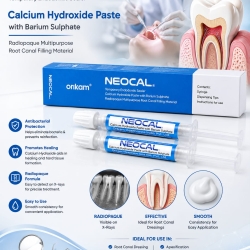
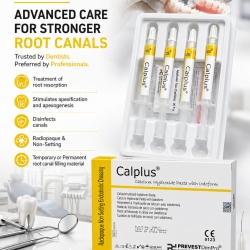
1. Complete root-canal preparation Isolate the tooth appropriately, preferably with a rubber dam. Establish working length and perform the required cleaning and shaping. Irrigate thoroughly according to your normal endodontic protocol. The canal should be clean and dry before Calplus placement. 2. Prepare the Calplus syringe Attach a new disposable applicator needle/tip to the syringe. Before inserting it into the canal, express a small amount to confirm that paste flows freely through the needle. 3. Position the tip Place the tip into the prepared canal, stopping approximately 2 mm short of the radiographic/working-length apex as specified by the manufacturer. Do not force the material apically. This is particularly important in cases with an open apex or suspected perforation/resorption. 4. Deliver the paste Slowly depress the plunger while gradually withdrawing the syringe tip. The manufacturer's technique is intended to fill the canal completely while withdrawing the tip, rather than injecting a large bolus at the apex. 5. Remove excess Remove paste from the access cavity and surrounding area with a sterile cotton pellet. 6. Follow the treatment plan If Calplus is being used as an intracanal medicament, place an appropriate temporary coronal seal and leave it for the period indicated by your treatment protocol. At the subsequent appointment, the material can be removed with appropriate irrigation/mechanical instrumentation before definitive obturation. Calplus is also marketed for use as a temporary or permanent root-canal filling material, but the decision depends on the clinical indication. Important precautions The manufacturer's IFU specifically warns against prolonged/repeated skin or eye contact and notes that the product is intended solely for professional dental use. It also states that dispensed material should not be returned to the syringe or reused. Key point: don't deliberately extrude Calplus beyond the apical foramen. The “2 mm short + slow injection while withdrawing” technique is the manufacturer's specified method and helps reduce the risk of unintended overextension.